
The Signal
AI tools for smarter research, copywriting income strategies, the power of brand recognition, and why courage is the trait leaders can’t ignore.

Good morning. We’re rounding up the best AI tools transforming research and how copywriters are still cashing in—even in the age of ChatGPT.
Plus, why brand recognition is your marketing moat, and why today’s leaders need more courage than ever.
AI
27 Best AI Tools for Research in 2025
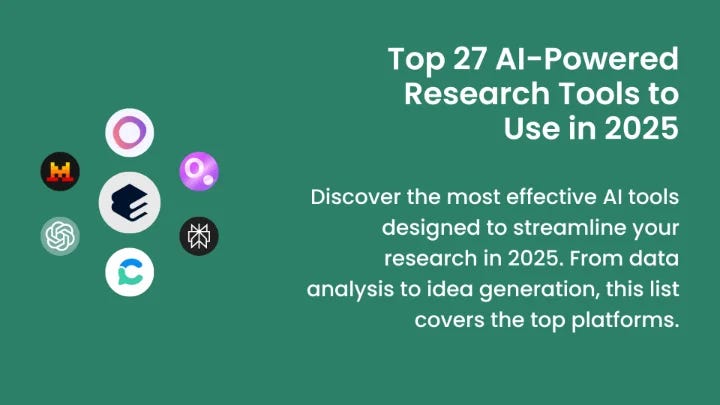
StanzaGo presents a curated list of 27 AI-powered research tools, tailored for academics, clinicians, business professionals, and curious minds alike. Highlights include:
Consensus – An AI search engine analyzing up to 50 peer-reviewed papers with filters by field, journal ranking, and region.
Scite – Quickly extracts facts, figures, and citations from scholarly content; includes a file-upload feature for summaries.
ResearchPal – Streamlines literature review and paper generation using multiple LLMs (like GPT-3.5 Turbo, Claude 3)—plus auto-formatted insights like TL;DRs and abstracts.
SciSpace – A comprehensive AI research assistant that tackles tasks like literature reviews, citations, data viz, and even building LaTeX or PPT outputs.
Elicit – Trusted by institutions like Google and Stanford, this tool offers unlimited searches, summaries, source citations, and Zotero integration.
Perplexity Pro – Includes access to multiple LLMs (GPT-4o, Claude 4.0, Gemini 2.5 Pro) and deep research capabilities—recommended over its limited free version.
Litmaps – Visualizes the evolution of research topics over time, mapping citations and research clusters.
Anara – A research workspace robust enough to handle long documents, generate citations, and even create flashcards or MCQs.
Still need more? There’s also Google Scholar, Research Rabbit, ChatGPT, Le Chat, AnswerThis, Otio, Semantic Scholar, Polling.com, and others—each with specific strengths across discovery, writing, visualization, and automation.
Why it matters:
Whether you're drafting a paper, analyzing trends, or building a streamlined research process, this toolkit offers something for every stage—from discovery to delivery.
Read more: 27 Best AI Tools for Research in 2025
Content
How to Make Money as a Copywriter (Even in 2025)

Despite the rise of AI tools, copywriters are still earning six- and seven-figure incomes, with expert freelancers fetching over $100/hour on platforms like Upwork.
The key to commanding those rates? Ideation—top-tier copywriters don’t just write, they identify audience pain points and offer unique insights and data to solve them.
The article outlines three income levels:
Freelance Copywriting – Start earning within weeks, depending on your niche.
Personal Branding – Build an audience on platforms like LinkedIn or X, then monetize through affiliate deals or brand partnerships, typically earning $500–$2,000 per post.
Solopreneurship – Launch your own products (courses, coaching, content services) using your personal brand; some solopreneurs have built million-dollar businesses this way.
Why it matters:
Copywriting isn’t fading—instead, it's evolving. Those who master idea generation and personal brand-building stand to earn far more than just freelance gigs.
Read more: How to Make Money as a Copywriter (Even in 2025)
Marketing
Brand Recognition: Importance and How to Build It
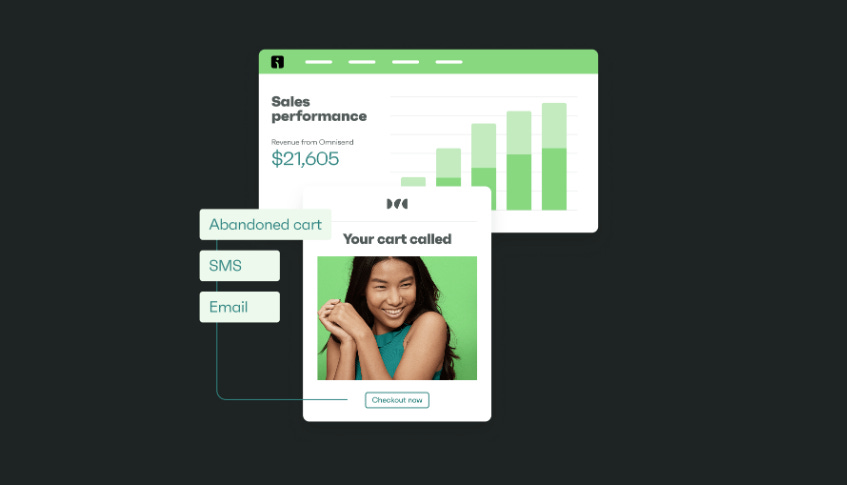
Omnisend unpacks the concept of brand recognition—the ability for consumers to immediately identify a brand through its visual or auditory cues, like logos, colors, slogans, or packaging—as distinct from broader brand awareness.
Why it matters:
Strong brand recognition boosts customer loyalty, gives you an edge over competitors, and sways purchasing decisions. In a noisy digital landscape, recognizable brands are also more likely to be shared and followed on social platforms.
How to build it:
Visual Branding – Ensuring every email or campaign automatically reflects your brand’s logo, color scheme, fonts, and social links builds consistency across customer touchpoints.
Multi-Channel Branding – Omnisend leverages email, SMS, and web push notifications, along with advanced segmentation and personalization, to deliver targeted, recognizable messages across channels.
Reporting & Analytics – Their in-platform analytics help marketers gauge brand performance and adapt strategies based on data-driven insights.
Educational Resources – Omnisend also empowers users via blogs, podcasts, Omnisend Academy, and a Marketing Playbook—positioning brands as industry authorities and enhancing recognition.
Why it matters (again):
Consistent visual identity, cross-channel visibility, meaningful data tracking, and thought leadership all work together to increase recognition, trust, and lasting engagement.
Read more: Brand Recognition: Importance and How to Build It
Entrepreneurship
Now Is the Time for Courage

In times of political, economic, and technological uncertainty, leaders often freeze, retreat, or play it safe—but research reveals that fortune favors the brave, not the cautious.
5 Strategies to Cultivate Courage (from Ranjay Gulati at Harvard Business School):
Create positive narratives – Frame challenges as moral quests or purposeful missions to guide action amid chaos.
Build confidence through preparation – Train, expand your mental toolkit, and focus on what you can control.
Take small, informed steps – Break down complex situations and adjust your course as you learn.
Seek allies and mentors – Courage grows in community; collaborate with supporters and critics alike.
Stay calm under pressure – Use self-care, rituals, and reframing techniques to maintain composure.
Why it matters:
Bold leadership isn’t about recklessness—it’s rooted in intentional preparation, collective strength, and resilience in the face of uncertainty.
Read more: Now Is the Time for Courage.
💡 Weeks’s stat: 82% of marketers say AI will change their role within 2 years.
See you next Monday with more AI, content, and startup insights.