
AI Revolutionizes Amazon, Redefining E-Commerce's Future in Stunning Ways!
Uncover how AI transforms giants and shapes E-Commerce’s next era

1. The Rise of AI-Powered Retail
Artificial Intelligence (AI) is no longer a futuristic concept but a transformative force reshaping industries, with e-commerce at the forefront.
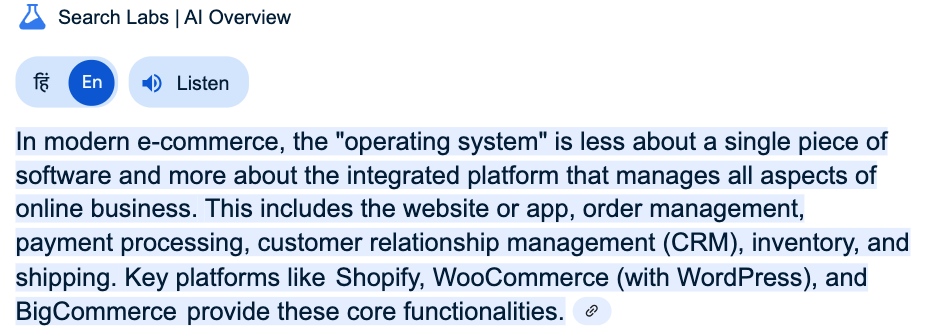
Giants like Amazon have harnessed AI to redefine how consumers shop, businesses operate, and markets evolve. From personalized recommendations to autonomous delivery systems, AI is driving efficiency, scalability, and customer satisfaction.
This article explores how Amazon leverages AI to dominate e-commerce, the broader trends shaping the industry, and what the future holds for online retail in this AI-driven era.
E-commerce has evolved from static websites to dynamic, intelligent platforms. AI’s ability to process vast datasets, predict consumer behavior, and optimize operations has made it indispensable.
As of September 2025, AI adoption in e-commerce is projected to grow at a compound annual growth rate (CAGR) of over 25%, with global retail giants leading the charge.
This article delves into the mechanics of AI’s impact, using Amazon as a case study while exploring its ripple effects across the industry.
2. Amazon’s AI Dominance: The Winning Formula
Amazon’s dominance in e-commerce stems from its early and aggressive adoption of AI. The company has invested billions in AI research, integrating it across its ecosystem; from product recommendations to logistics.
Amazon Web Services (AWS), the company’s cloud computing arm, provides AI tools like SageMaker and Lex, which power internal innovations and are offered to external businesses, creating a feedback loop of technological advancement.
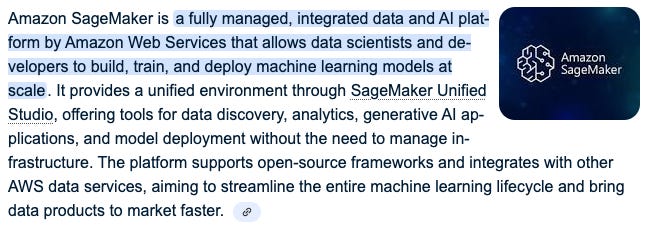
Amazon’s AI strategy is rooted in its customer obsession. By leveraging machine learning (ML) models trained on petabytes of consumer data, Amazon anticipates needs, streamlines operations, and maximizes revenue.
Its proprietary algorithms, like the A9 search engine, and investments in AI startups position it as a leader. Competitors like Walmart and Alibaba are following suit, but Amazon’s scale and infrastructure give it a unique edge.

3. Tailored Shopping: Fueling Sales with Personalization
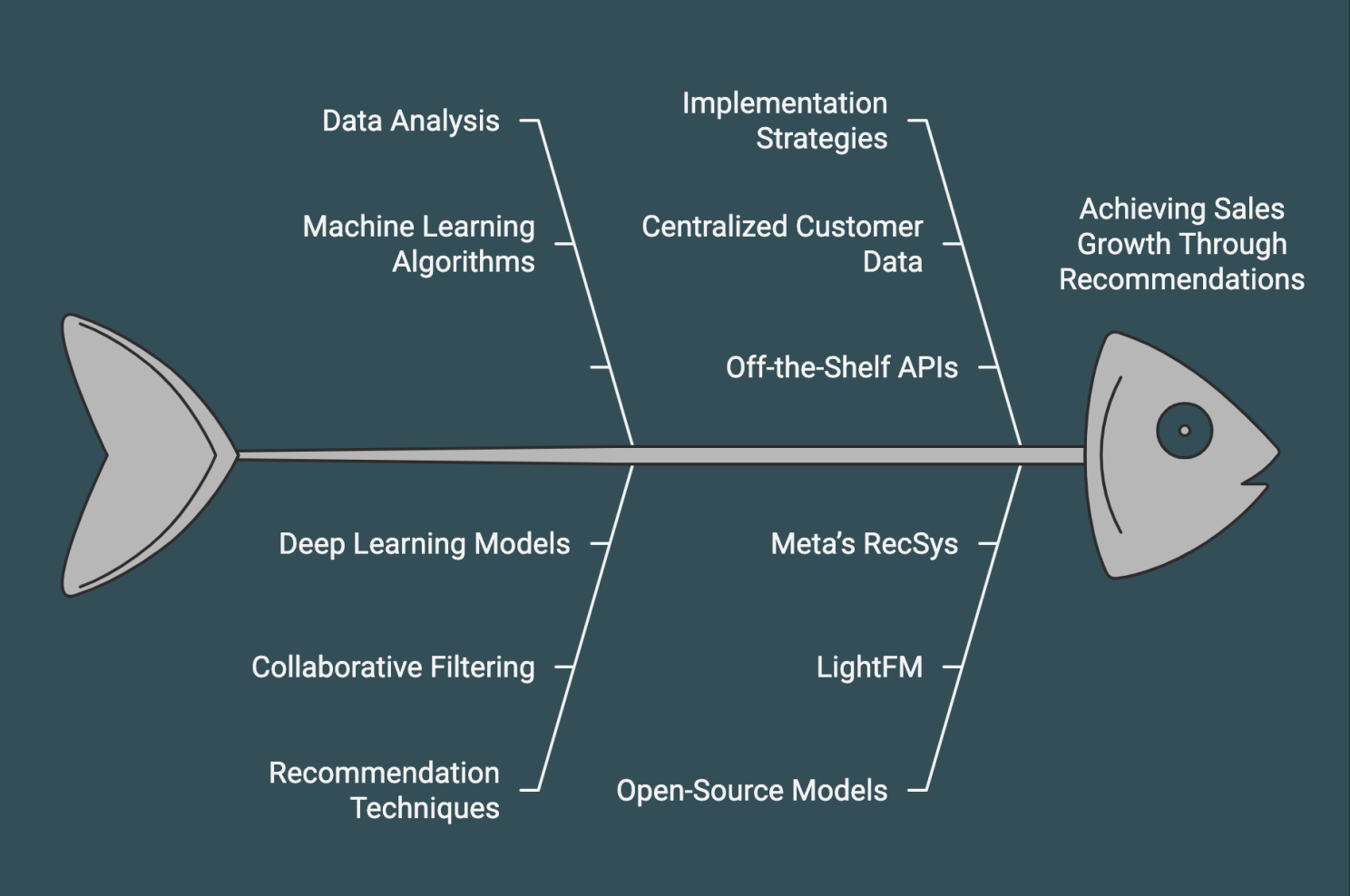
Personalized recommendations are the backbone of Amazon’s sales strategy. Using collaborative filtering and deep learning, Amazon’s recommendation engine analyzes browsing history, purchase patterns, and even mouse movements to suggest products.
This system drives approximately 35% of Amazon’s revenue, according to industry estimates.
The engine employs neural networks to identify patterns in user behavior, such as cross-category purchases or seasonal trends.
For example, a customer browsing fitness gear might receive suggestions for protein supplements or yoga mats. These recommendations are not static; they evolve in real-time as users interact with the platform, creating a hyper-personalized shopping experience that boosts engagement and conversions.
4. AI-Powered Search & Discovery
Search is the gateway to e-commerce, and Amazon’s AI-powered search engine, A9, is a game-changer.
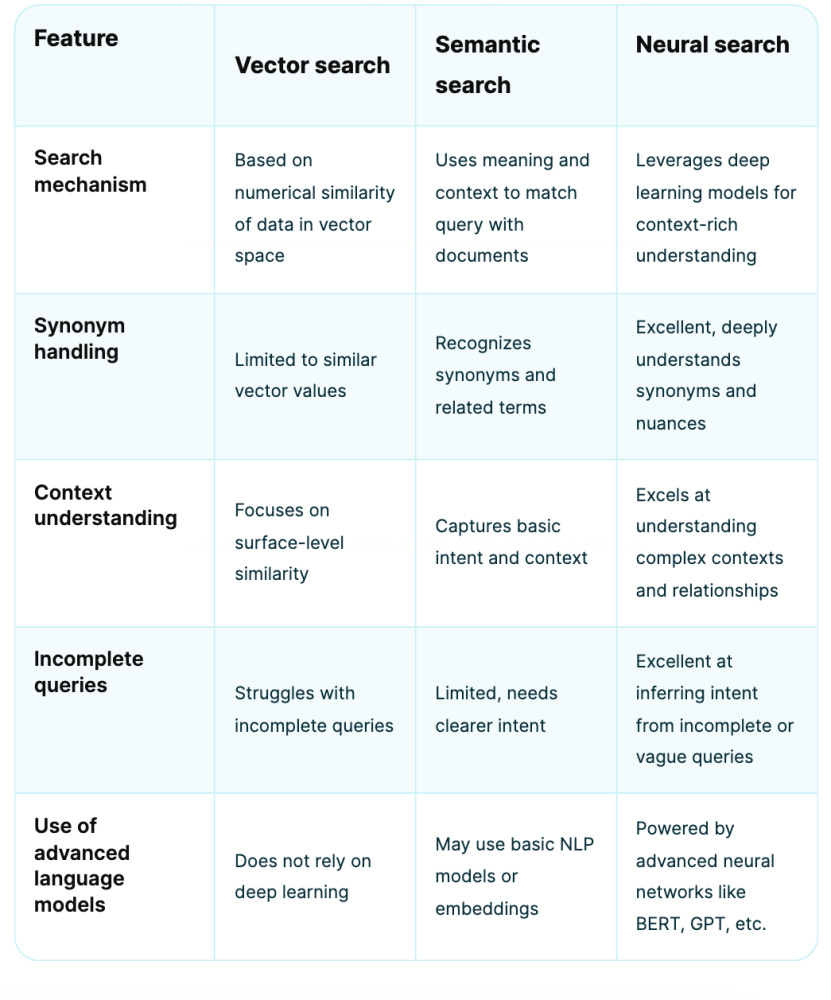
Unlike traditional keyword-based searches, A9 uses natural language processing (NLP) to understand user intent. For instance, a query like “gift for a 10-year-old” yields results tailored to age, preferences, and trends, rather than just keyword matches.
A9 also integrates visual search capabilities, allowing users to upload images to find similar products. This feature, powered by computer vision, enhances discovery by bridging the gap between inspiration and purchase.
Visual search (Amazon StyleSnap) so users can upload images to find similar products.

Voice search through Alexa, integrating spoken queries into product rankings.
By combining NLP, image recognition, and predictive analytics, voice search, Amazon ensures users find what they want faster, increasing customer satisfaction and retention.
5. Adaptive Pricing: Maximizing Profits with AI
AI-driven dynamic pricing allows Amazon to adjust prices in real-time based on demand, competition, and inventory levels.
Machine learning models analyze market trends, competitor pricing, and consumer behavior to optimize prices for maximum profitability. For example, during high-demand periods like Black Friday, prices may fluctuate multiple times daily to stay competitive.
This strategy extends to Amazon’s third-party sellers, who use tools like the Amazon Pricing API to automate pricing decisions.
Dynamic pricing not only maximizes revenue but also ensures affordability, keeping Amazon competitive in a crowded market. However, it raises questions about transparency, which we’ll explore later.
6. Streamlined Logistics: AI in Warehousing and Supply Chains
Amazon’s supply chain is a marvel of AI-driven efficiency. In its fulfillment centers, AI algorithms optimize inventory placement, reducing retrieval times.
Robots powered by reinforcement learning navigate warehouses, moving shelves to workers with precision. These systems process millions of orders daily, cutting operational costs by up to 20%, according to industry reports.
Predictive analytics forecast demand, ensuring optimal stock levels. For instance, AI models analyze historical sales, weather patterns, and global events to predict which products will sell in specific regions.
Kiva‑based robots halve “pick & pack” times, enabling 1‑day or same‑day delivery.
Predictive analytics forecast demand, reposition stock, and minimize stockouts by up to 30 %.
Computer‑vision‑powered quality checks reduce errors and returns.
This minimizes overstocking and stockouts, streamlining the supply chain from procurement to delivery.

7. Next-Gen Delivery: Drones, Robots, and Optimized Routes
Last-mile delivery is a critical bottleneck in e-commerce, but Amazon is revolutionizing it with AI.
Predictive routing algorithms optimize delivery paths, factoring in traffic, weather, and package urgency. Amazon’s delivery drones and autonomous robots, like Scout, are being tested to reduce delivery times and costs.
Machine learning models predict delivery windows with high accuracy, improving customer trust.
For example, Amazon Prime’s same-day delivery relies on AI to prioritize high-value orders and allocate resources efficiently. These innovations are setting new standards for speed and reliability in e-commerce logistics.
8. Enhanced Support: AI Chatbots and Voice-Driven Service
AI has transformed Amazon’s customer service into a seamless, 24/7 operation. Chatbots powered by NLP handle routine queries, such as order tracking or returns, with near-human accuracy.
Amazon’s voice assistant, Alexa, integrates with its e-commerce platform, allowing users to reorder products or check deals hands-free.
Sentiment analysis algorithms monitor customer interactions, identifying dissatisfaction in real-time. For instance, if a customer’s chat reflects frustration, the system escalates the issue to a human agent.
This proactive approach has reduced resolution times by 30%, according to internal reports, enhancing customer loyalty.
9. Visual Shopping: The Power of Computer Vision
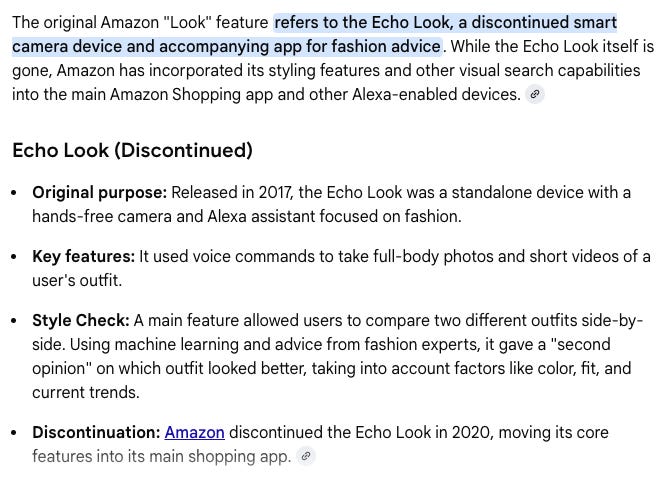
Computer vision is reshaping how customers interact with e-commerce. Amazon’s “Look” feature allows users to snap photos of products in the real world and find matches on the platform.

This technology, powered by convolutional neural networks, is particularly popular in fashion and home decor.
Augmented reality (AR) tools, like Amazon’s Room Decorator, let customers visualize furniture or appliances in their homes before purchasing.
These innovations reduce return rates by ensuring customers make informed decisions, while also creating an immersive shopping experience that sets Amazon apart.

10. Securing Retail: AI in Fraud Prevention and Cybersecurity
As e-commerce grows, so do risks like fraud and cyberattacks. Amazon uses AI to detect suspicious activities, such as fake reviews or account takeovers.
Machine learning models analyze transaction patterns, flagging anomalies in milliseconds. For example, if a user’s account suddenly places orders from a new location, AI triggers verification protocols.
Amazon’s fraud detection system processes billions of transactions annually, reducing fraud losses by an estimated 25%. Additionally, AI-driven cybersecurity tools protect customer data, ensuring trust in the platform. These measures are critical as online retail becomes a prime target for cybercriminals.
11. AI’s Ripple Effect: E-Commerce Trends Beyond Amazon
While Amazon leads, other e-commerce players are adopting AI to stay competitive. Walmart uses AI for inventory management and personalized marketing, while Alibaba’s City Brain optimizes logistics in urban areas.
Smaller retailers leverage AI platforms like Shopify’s Kit to automate marketing and customer engagement.
Emerging trends include hyper-personalization, where AI tailors entire shopping experiences, and conversational commerce, where chatbots handle complex transactions.
Blockchain-AI integration is also gaining traction for secure supply chain tracking. These trends signal a broader shift toward AI-driven e-commerce ecosystems.
12. Future-Proofing Retail: Strategies for AI Integration
To thrive in the AI era, e-commerce companies must invest in AI infrastructure, talent, and data strategies.
Smaller retailers can adopt off-the-shelf AI tools from providers like AWS or Google Cloud to level the playing field. Training staff to interpret AI insights and integrating AI across operations are critical steps.
Partnerships with AI startups can accelerate innovation, while open-source AI frameworks lower entry barriers.
Companies must also prioritize data quality, as AI’s effectiveness depends on clean, comprehensive datasets. Finally, staying agile and experimenting with emerging AI technologies will ensure long-term competitiveness.

13. Ethics, Law, and Green AI in E-Commerce
AI’s rise in e-commerce raises ethical and legal challenges. Dynamic pricing can lead to accusations of price gouging, while personalized recommendations risk exploiting consumer vulnerabilities.
Amazon has faced scrutiny over data privacy, with regulators demanding transparency in AI practices.
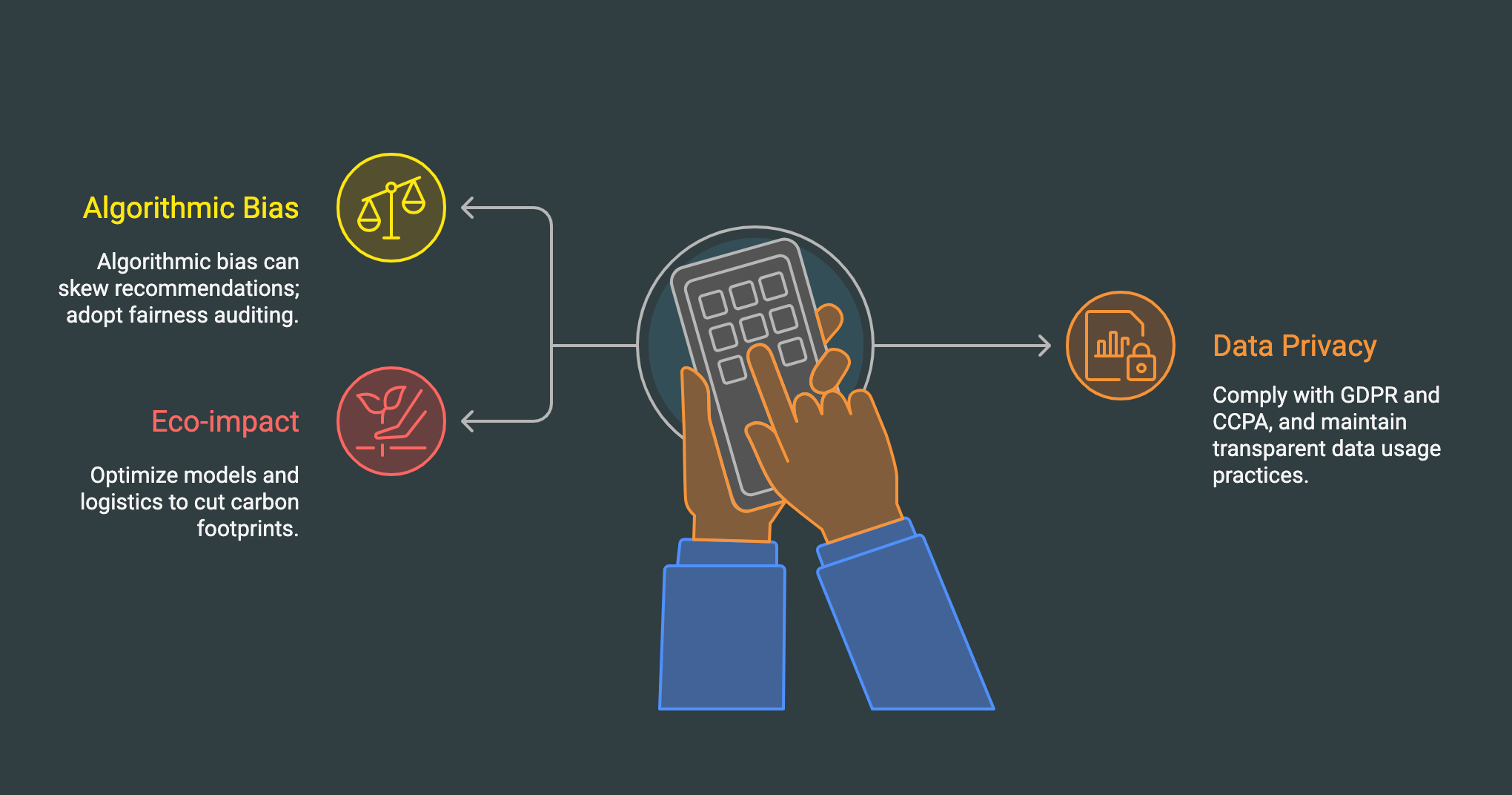
Sustainability is another concern. AI-driven logistics reduce emissions through optimized routing, but the energy demands of training large AI models are significant.
E-commerce companies must balance innovation with environmental responsibility, adopting green AI practices like energy-efficient algorithms.
Legally, compliance with regulations like GDPR and CCPA is non-negotiable. Transparent AI policies and ethical guidelines will build consumer trust and mitigate risks as e-commerce evolves.
14. The Future Unveiled: AI’s Role in E-Commerce’s Next Chapter
The next decade will see AI redefine e-commerce, with Amazon setting the pace. From personalized shopping to autonomous logistics, AI is not just enhancing efficiency but creating entirely new consumer experiences.
As competitors adopt similar technologies, the industry will become more dynamic, competitive, and customer-centric.
However, success depends on navigating ethical, legal, and sustainability challenges. E-commerce companies that embrace AI while prioritizing trust and responsibility will thrive.
The dawn of AI-driven commerce is here, and its potential is limitless—reshaping not just how we shop, but how we live.